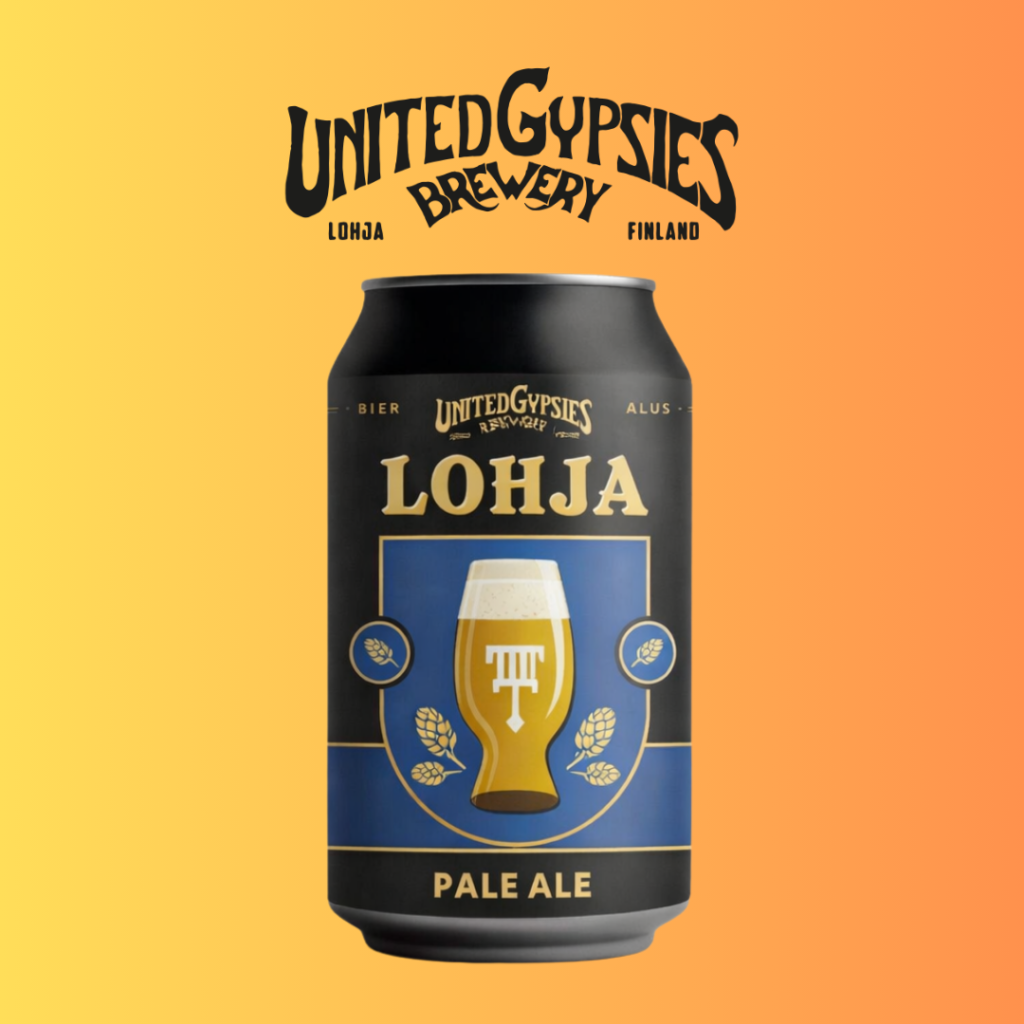

Pale Ale there is one one of the most famous beer styles in the world. It is a balanced, hop-driven and often amber-colored surface-fermented beer that has significantly influenced the emergence of the entire modern microbrewery culture. In this article, we will review the history of pale ale from the 18th century to the present day, explain the characteristics of the style and answer the most common questions.
Check out United Gypsies Brewery's beer selection: From here
What does Pale Ale mean?
Term pale ale literally means “pale ale”. The word ale refers to a top-fermented beer that is fermented at a higher temperature than lager. “Pale” refers to a lighter malt base compared to the darker beers of the 17th and 18th centuries.
Pale ale is mainly made from:
-
from light barley malt
-
hops (often aromatic varieties)
-
from water
-
from surface yeast
The typical alcohol content is around 4.5–6.5 %.
The History of Pale Ale – From the 18th to the 19th Century
The development of pale ale began in England in the early 18th century. A significant technical change was coke (coke) use in malting. When malt was dried with coke made from coal instead of wood, the malt became lighter and more uniform. This allowed for the wider production of pale beers.
Burton-upon-Trent and the importance of water

In the 19th century Burton upon Trent became the center of pale ale. The city's mineral-rich water (especially calcium sulfate) accentuated the bitterness of the hops and created a drier, fresher finish. This phenomenon is called Burtonisation, and many breweries around the world still emulate this water profile.
India Pale Ale – an export product for the empire
One of the most famous pale ale sub-styles is India Pale Ale (IPA). In the 19th century, British brewers produced stronger and more heavily hopped versions of pale ale that could withstand the long sea voyage to India.
The added hops acted as a natural preservative, and thus India Pale Ale was born – a style that is now one of the most popular craft beer categories in the world.
20th century – the decline and the rise of lager
In the 20th century, world wars, taxation and changing consumer preferences affected the status of pale ale. Lagers became more common, and in many countries, traditional British ale styles became a minority.
Many pale ales were lightened in alcohol content and bitterness.
1980s – the craft beer revolution
The modern pale ale renaissance began in the United States in the 1980s. Californian microbreweries began using American aroma hop varieties such as Cascade, which brought citrus and piney aromas.
This is how it was born American Pale Ale (APA) – a fresher, fruitier and more heavily hopped version of the traditional British pale ale.
This movement launched a global craft beer culture, which is now also strong in Finland.
Pale Ale Styles Today
Today, pale ale is not one unified style, but a broad category:
1. English Pale Ale
-
Malt-driven
-
Balanced bitterness
-
Nutty and caramel tones
2. American Pale Ale
-
Citrus and tropical aroma
-
Clear hop profile
-
Fresh and dry aftertaste
3. Modern variations
-
Hazy Pale Ale (hazy, juicy)
-
Session Pale Ale (lower alcohol content)
-
Single Hop Pale Ale (one hop variety highlighted)
What does Pale Ale taste like?
The flavor profile depends on the style, but typically:
-
Moderate hop bitterness
-
Citrus, grapefruit, floral or tropical fruits
-
Light caramel or cookie-like taste
-
Medium-light frame
-
Dry or semi-dry finish
Pale ale is often more approachable than a stronger IPA.
Frequently Asked Questions About Pale Ale
1. What is the difference between Pale Ale and IPA?
IPA is a more heavily hopped and often higher alcohol version of pale ale. Pale ale is usually more balanced and milder in bitterness.
2. Is Pale Ale a dark or light beer?
Pale ale is a color between light gold and amber. It is not a dark beer like stout or porter.
3. Does Pale Ale contain a lot of alcohol?
Most pale ales are 4.5–6.5 %, meaning they fall into the medium alcohol range.
Summary
Pale ale is a historically significant beer style that originated in 18th-century England with technological advances and spread around the world with the empire. The craft beer movement of the 1980s brought it back into consumer consciousness, and today pale ale is one of the most popular beer categories worldwide.
It is balanced, versatile and serves as both a gateway to the world of craft beers and a trusted choice for experienced enthusiasts.